

Foenegriek is the Dutch name for fenugreek. It comes from a plant called Trigonella foenum-graecum. People use its seeds, leaves, and powder as a spice and for wellness. The plant grows in places like India, the Mediterranean, and parts of Europe. It has a long history of use in cooking and traditional practices.
The seeds are small, hard, and yellowish-brown. In 100 grams of seeds, you find about 23 grams of protein, lots of fiber, iron, magnesium, and other minerals. This makes foenegriek a good way to add extra nutrition to your meals.
Is Foenegriek the Same as Fenugreek and Methi?
Yes, foenegriek, fenegriek, fenugreek, and methi are all the same herb and spice. Foenegriek and fenegriek are the names used in Dutch-speaking areas. Fenugreek is the English name. Methi is the name common in India and Indian shops.
You can use any of these names when you search online or buy from stores. This makes it easier to find the right product no matter where you are.
Seeds vs Powder vs Leaves vs Tea vs Supplements: Which Form Is Best?
Each form of foenegriek has its own strengths. Here is a simple comparison to help you choose:
- Seeds: Whole and hard. They last a long time and work well for soaking, tea, or frying in oil. They give a strong flavor.
- Powder: Ground seeds. Easy to stir into food or drinks. It mixes fast but can taste stronger and more bitter.
- Leaves: Fresh or dried. Milder taste. Good to use like a vegetable or herb in cooking for extra greens.
- Tea: Made from seeds or leaves. Simple to prepare and drink every day.
- Supplements: Capsules or extracts. Best if you want to avoid the taste.
| Form | Best for | Taste | Ease |
|---|---|---|---|
| Seeds | Cooking, tea | Strong | Medium |
| Powder | Recipes | Bitter | Easy |
| Leaves | Cooking | Mild | Easy |
| Tea | Daily use | Light | Easy |
| Supplements | Convenience | Neutral | Very easy |
Which form should you pick?
Choose seeds or powder for cooking and daily health. Use leaves for Indian-style meals. Pick tea or supplements for quick and easy use. Always begin with small amounts to see how your body feels.
What Does Foenegriek Taste and Smell Like? (And How to Reduce Bitterness)
Foenegriek tastes bitter, earthy, and a bit sweet. Its smell is similar to maple syrup. This smell comes from a natural substance in the seeds.
Some people enjoy the smell in food. Others notice the same smell in their sweat or urine after eating larger amounts. This change is normal and not harmful.
Here are easy ways to reduce the bitterness:
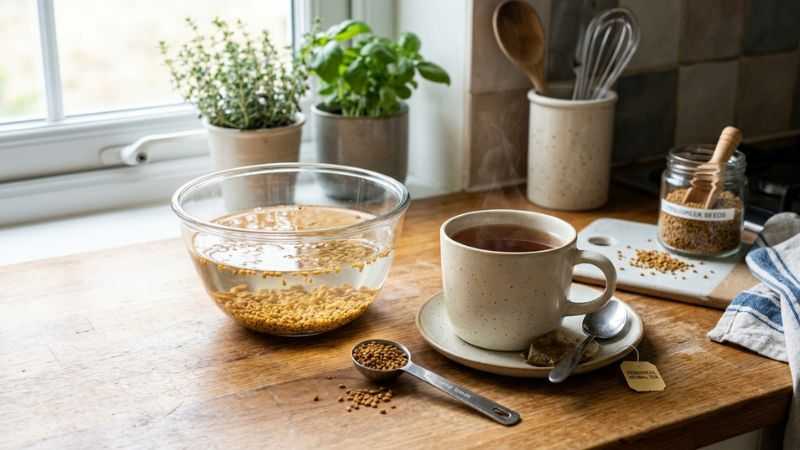
- Soak the seeds in water for a few hours or overnight.
- Roast them lightly in a dry pan.
- Use only small amounts at first.
- Mix with stronger spices such as cumin, turmeric, or garlic.
These simple steps help many people enjoy foenegriek more.
What Is Foenegriek Used For?
People use foenegriek in several main ways.
- Cooking and spice blends: It adds rich flavor to curries, soups, breads, and pickles.
- Herbal tea: A warm drink that many people enjoy daily.
- Supplements: Capsules that make daily use simple.
- Traditional wellness: Used for many years in different cultures for general comfort.
Cooking brings flavor and some nutrition. Tea and supplements focus more on possible health effects.
What Research Says About Foenegriek Benefits
Studies on foenegriek continue. Here is a clear look at the current research with honest evidence levels.
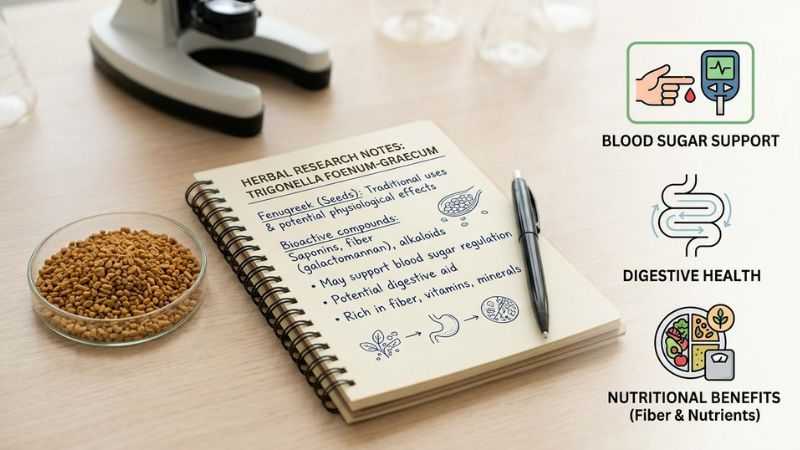
Blood Sugar Support
Some studies show that foenegriek seeds may help lower blood sugar in people with type 2 diabetes. The fiber helps slow sugar absorption. The results look promising, but experts say more strong studies are still needed.
Digestion and Gut Health
The fiber in foenegriek supports regular digestion. Many people use it to feel more comfortable in the stomach.
Breastfeeding Support
Some women use foenegriek to help with milk supply. A few studies suggest it may help, but the results are mixed. It is not a sure solution for everyone.
Hormonal Health (What Research Suggests)
Research has looked at hormone effects. For men, some studies suggest possible support for testosterone and libido, but the evidence is limited. For women, it may give mild help with menopause symptoms, PCOS, or menstrual comfort. These effects are not strong. More research is needed. Always check with a doctor first.
Cholesterol, Appetite & Inflammation
Foenegriek may support healthy cholesterol levels and appetite control in some cases. The evidence is mixed. Its fiber and natural compounds seem to play a part.
Proven Benefits vs Traditional Use & Myths Busted
Science backs some traditional uses, especially for blood sugar and digestion. Many other benefits come from old stories and lack strong proof.
Popular myths include:
- Foenegriek is not a fast fix for belly fat or quick weight loss.
- It does not cure health problems by itself.
Realistic timeline: Changes, if any, often take a few weeks of steady use. Results vary for each person. Good food and daily habits matter most.
How to Use Foenegriek Daily – Practical Guide
Begin with small amounts so you can watch how your body responds.
- Safe dosage: For seeds or powder, many people use 1 to 5 grams per day. Follow the instructions on supplement packages.
- Best timing: Take with meals to support blood sugar or in the morning as tea.
How to make foenegriek tea:
- Put 1 teaspoon of seeds in a cup.
- Add boiling water and let it steep for 5 to 10 minutes.
- Strain and drink. You can add a little honey or lemon for taste.
For better taste, soak or roast the seeds first and mix with other herbs. When choosing supplements, pick trusted brands. Talk to a doctor if you take any medicines.
Foenegriek in Cooking: Easy Everyday Uses
Foenegriek brings good flavor to everyday meals.
- It works especially well in curries, paratha, soups, chutneys, and spice mixes.
- Seeds: Fry them in oil first to bring out the best taste.
- Powder: Add near the end of cooking so it does not get too bitter.
- Leaves: Mix fresh or dried into vegetables or bread.
Start with a small amount. Too much can make the dish bitter. It pairs nicely with potatoes, lentils, or chicken. For full recipes, check separate posts.
Side Effects and Safety
Foenegriek is safe for most people when used in normal food amounts.
Common side effects include gas, bloating, or mild stomach upset. Some people notice a maple smell in their sweat.
Pregnant women should avoid larger amounts because it may cause early contractions. People with allergies to legumes should also be careful.
It can interact with diabetes medicines and make blood sugar drop too low. Talk to a doctor before using it if you take any medicine.
Dosage safety: Always start low and pay attention to how you feel. Do not use very large amounts.
How to Choose and Store Good-Quality Foenegriek
Buy from trusted shops or online sellers. In the Netherlands and Belgium, look in Indian stores, Albert Heijn, or health food shops.
Check for bright color, strong smell, and no signs of bugs or dust.
Store seeds and powder in clean, airtight jars in a cool, dry place. They stay good for many months. Keep fresh leaves in the freezer for longer life.
Frequently Asked Questions
Is foenegriek the same as methi?
Yes. Methi is simply the Indian name for the same plant.
Why does foenegriek smell like maple syrup?
A natural compound in the seeds creates this smell. It can also appear in sweat or urine.
Can I take foenegriek every day?
Yes, in small food amounts for most people. Ask a doctor about larger supplement amounts.
Can foenegriek help with blood sugar?
It may help some people, but it is not a replacement for proper medicine or diet.
Can foenegriek help with milk supply?
Some women see an increase, but results are not the same for everyone. It is not guaranteed.
What is the difference between seeds and powder?
Seeds are whole and give stronger flavor. Powder is ground and easier to mix quickly.
Can foenegriek help with weight loss?
It may support appetite control because of the fiber, but it is not a magic fix.
Can children use foenegriek?
Small amounts in food are usually okay. Avoid supplements unless a doctor says it is fine.
How long does it take to see results?
It can take 2 to 4 weeks of regular use. Results depend on the person
Foenegriek can be a helpful addition to your kitchen and routine when you use it carefully. Start slow, listen to your body, and talk to a doctor if you have any health concerns. Enjoy it in your favorite meals!
You May Also Like:
OnlyWorkMoods com Review: Is It Safe, Legit, and Worth Reading?
MyPipette Uncovered: Thermo Fisher Software vs Gilson Custom Pipettes
Disclaimer: This article is for educational and informational purposes only and does not replace medical advice, diagnosis, or treatment. Foenegriek effects can vary from person to person. Always speak with a qualified healthcare professional before using supplements, especially during pregnancy, breastfeeding, or when taking medicines. Some images on this page may be AI-generated or digitally enhanced to help explain concepts and improve understanding.

Hi, I’m Emma Rose, the creative heart of Punstation.com. With a background in crafting hundreds of engaging guides and clever wordplay, I specialize in making complex information easy and fun to digest. Whether I’m diving into technical trends, lifestyle hacks, or my signature witty puns, my goal is to provide high-quality, research-backed content that solves problems and brings a smile to your face. For me, every topic—from tech to humor—is an opportunity to share clear, expert insights with a fresh perspective.