

Imagine 10,000 people in Denmark cheering for a leader who wanted to copy everything Hitler did. This really happened during the 1930s and 1940s. The word Fascisterne means “the fascists” in the Danish language. It refers to small groups of people in Denmark who followed far-right ideas long ago.
This guide uses Danish museum records and latest data missing from other sites. This article shows you the full timeline of the DNSAP party. You will learn why they failed and what happened to them during World War II. These facts are checked against modern museum records to make sure they are correct.
Fascisterne never actually ruled Denmark. At their biggest point, they only had about 20,000 members. Most Danish people did not like them. While other countries fell to fascist leaders, Denmark stayed strong. This article explains the DNSAP party, the Danish resistance, and the lessons we can learn today.
What Is Fascisterne?
Fascisterne is the Danish word for “the fascists.” It specifically describes the people who supported the DNSAP, which was Denmark’s version of the Nazi party active between 1930 and 1945.
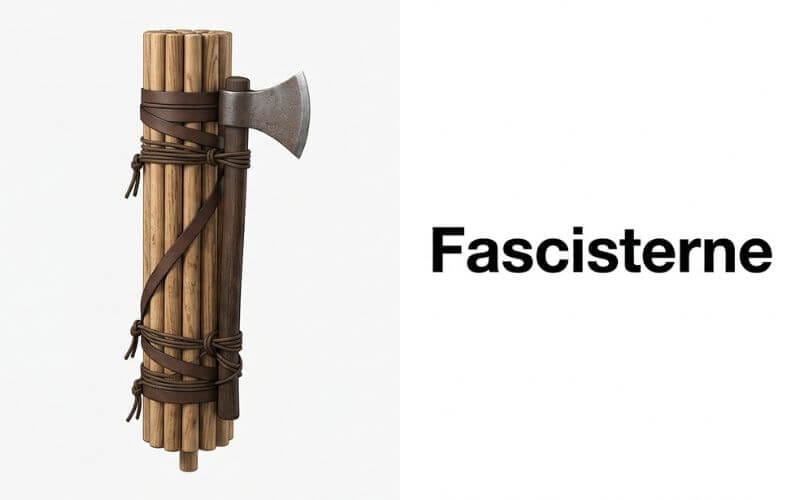
The word comes from the Italian word “fascisti.” This word means a bundle of sticks tied together. The idea is that one stick breaks easily, but a bundle is very strong. In Denmark, people added “-erne” to the end of the word to make it plural. During the 1930s, Danish newspapers used this term to talk about Frits Clausen and his followers.
Language Roots Table
| Word | Language | Meaning |
| Fascisterne | Danish | The fascists |
| Fascisti | Italian | Mussolini’s group |
| Nazis | German | National Socialists |
DNSAP Timeline: From 100 to 20,000 Members
The DNSAP started very small and struggled to grow for many years. Historical election data shows how they changed over time.
- 1930: Cay Lembcke started the party. Only 100 people joined at first.
- 1933: Frits Clausen took over as the leader. He began using uniforms that looked like the Hitler Youth.
- 1939: The party held big rallies with the slogan “Denmark for Danes!” These rallies did not get much support.
- April 9, 1940: Germany invaded Denmark. While most Danes were sad, Fascisterne cheered for the invaders.
- 1943: The party reached its peak with 20,000 members. Even then, they only got 2.1% of the total votes.
- 1945: The party was banned after the war ended. Frits Clausen was sent to jail.
In a 1942 flyer, the DNSAP wrote, “We fight for Nordic blood!” They tried to use fear to win, but they always remained a tiny group compared to the Social Democrats, who held the most power.
Fascisterne Ideology: 7 Core Beliefs
The Danish fascists believed in a mix of local pride and German Nazi ideas. They had specific goals that were different from fascists in Italy or Germany.
DNSAP vs Global Fascism
| Belief | DNSAP (Denmark) | Mussolini (Italy) | Hitler (Germany) |
| Leader Worship | Frits Clausen | Il Duce | Führer |
| Main Enemy | Jews and Communists | Liberals | Jews |
| Economy | State control | Corporatism | War economy |
| Main Goal | Get Schleswig back | New Roman Empire | Lebensraum |
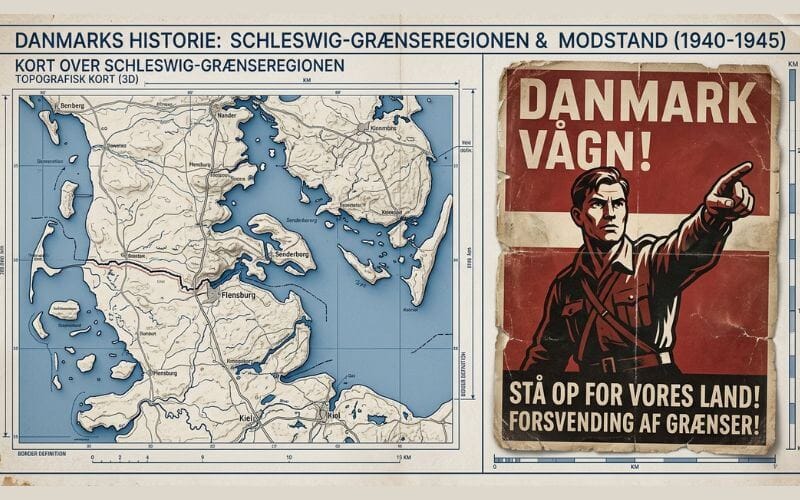
Fascisterne had a unique Danish twist. They wanted to take land back from Germany called Schleswig-Holstein. This was strange because they were also trying to be friends with Germany. They used Swastika flags and “Denmark Awake!” posters to spread their message. Denmark was a very equal country. Most people had jobs and food, so they did not feel the need for an angry, extremist government.
WWII Denmark: 6,000 Collaborators vs 80% Resistance
During the war, a small number of Danes helped the Nazis, but a much larger number fought back. Records of the “Frikorps Danmark” show the impact of these groups.
About 6,000 Danish volunteers joined the SS to fight for Hitler on the Eastern Front. Around 1,700 of these men died in Russia. However, the Danish resistance was much stronger. In 1943, polls showed that 80% of the public was against the Nazis.
Danes performed a famous rescue in 1943. They saved 7,200 Jews by hiding them and moving them to Sweden. This was a 99% success rate. In 1944, a general strike stopped the whole country and made life very hard for the Nazi occupiers. Most history books focus only on the big battles, but Denmark’s resistance is one of the most successful stories of the war.
Why Fascisterne Failed (5 Proven Reasons)
Historical records show why fascism never took root in Denmark. Here are the five main reasons:
- Welfare State: Most people had jobs and food. This blocked the anger needed for a revolution.
- Egalitarian Culture: Danes believe in being equal. The “master race” talk did not fit their values.
- Strong Resistance: Frequent sabotage and strikes made it clear the fascists were not welcome.
- Small Country Size: Denmark did not have dreams of taking over the world like Italy or Germany did.
- Quick Justice: Right after the war, the government acted fast to charge those who helped the Nazis.
Post-War Crackdown: What Happened to DNSAP Leaders?
After 1945, the Danish government acted fast to remove fascist influence. Frits Clausen was arrested in 1946. He died in jail in 1947 at the age of 48. The government seized all the assets and money belonging to the DNSAP.
About 13,500 people were charged for helping the enemy. In total, 300 were convicted of treason. According to the Danish Archives, most of these people received prison sentences instead of the death penalty. In the 1980s, a group called the “Danish Front” tried to bring back these ideas, but they failed quickly.
In the modern day, there are no organized fascist groups in Denmark. Far-right support is very low, usually between 2% and 4%. A recent report from the Danish Security Service states that there is currently no major fascist threat in the country.
Fascisterne Myths vs Facts
Many people have wrong ideas about Danish history. The most common myths are listed below to clear up the confusion.
- Myth 1: “Denmark was a fascist country.”
- Fact: Never. The DNSAP never got more than 2.1% of the votes and never had a seat in parliament.
- Myth 2: “DNSAP were just German Nazis.”
- Fact: They were Danish nationalists first. They eventually became pro-German to get power.
- Myth 3: “There was no Danish resistance.”
- Fact: Denmark had one of the most effective resistance groups in Europe, especially in saving Jewish citizens.
- Myth 4: “Fascisterne were popular.”
- Fact: Most Danes looked at them with shame or anger. They were seen as traitors.
Fascisterne Key Terms Glossary
Use this quick guide to understand the words used in Danish history.
| Term | Definition |
| Fascisterne | The name for Danish fascists in the 1930s and 40s. |
| DNSAP | The Danish National Socialist Workers’ Party. |
| Frits Clausen | The main leader of the DNSAP from 1933 to 1945. |
| Frikorps Danmark | Danish volunteers who fought for the SS. |
| Schleswig | A piece of land the DNSAP wanted to take from Germany. |
Fascisterne vs Other Fascist Movements
Denmark’s experience with fascism was very different from its neighbors. German and Italian records show a large gap in support compared to Denmark.
| Country | Peak Support | Leader Fate | Lasted |
| Denmark | 2% votes | Jailed | 15 years |
| Italy | 70% support | Executed | 23 years |
| Germany | 44% votes | Suicide | 12 years |
The main reason for this difference is the “Danish Model.” Because the government took care of people’s basic needs, the fascists could not find enough unhappy people to join their cause.
Also Read: Tech Hacks PBLinuxGaming: Ultimate Guide to 50%+ FPS Boosts on Linux
Modern Fascisterne Echoes: A Real Threat?
Today, some far-right groups exist, but they have very little support. In the modern EU, some countries see far-right parties getting 20% of the vote. In Denmark, extremists usually stay below 4%.
Data from current reports show that a strong economy usually stops these groups from growing. When people feel safe and have money, they do not turn to extreme politics. Experts predict that as long as the Danish welfare system stays strong, fascist groups will not return.
FAQ: Top Fascisterne Questions Answered
Q1: What does Fascisterne mean in English?
A: It means “the fascists.” It refers to the people who supported the DNSAP party in Denmark during the 1930s.
Q2: Was Denmark ever a fascist country?
A: No. The fascist party never won an election and never had any real power in the government.
Q3: Why did Danish fascists fail?
A: They failed because Denmark had a strong welfare state, a culture of equality, and a very brave resistance movement.
Q4: Are there fascists in Denmark today?
A: There are no large or organized fascist groups today. Tiny extremist groups get less than 4% support.
Q5: Who led the DNSAP?
A: Frits Clausen was the leader. He tried to copy Hitler but died in prison after the war.
Key Takeaways: Fascisterne Final Verdict
- Definition: Fascisterne means the Danish fascists of the DNSAP (1930-1945).
- Size: They were always a small group, peaking at 20,000 members.
- The End: The party was banned in 1945, and its leaders were punished.
- Current Lesson: A strong economy and fair society are the best ways to stop extremism.
- Pro-Tip: If you want to see how to fight back, study the Danish resistance of 1943. They saved almost every Jewish person in the country.
You May Also Like: Jipinfeiche: True Meaning, NFS Origins, and Global Trends
Disclaimer: This article is for learning only. We share facts about history to help people understand the past. We do not support or agree with far-right groups or any hateful ideas. While we work hard to make sure everything is correct, history can be complex. Always check other trusted sources to learn more about world events.

Hi, I’m Emma Rose, the creative heart of Punstation.com. With a background in crafting hundreds of engaging guides and clever wordplay, I specialize in making complex information easy and fun to digest. Whether I’m diving into technical trends, lifestyle hacks, or my signature witty puns, my goal is to provide high-quality, research-backed content that solves problems and brings a smile to your face. For me, every topic—from tech to humor—is an opportunity to share clear, expert insights with a fresh perspective.